
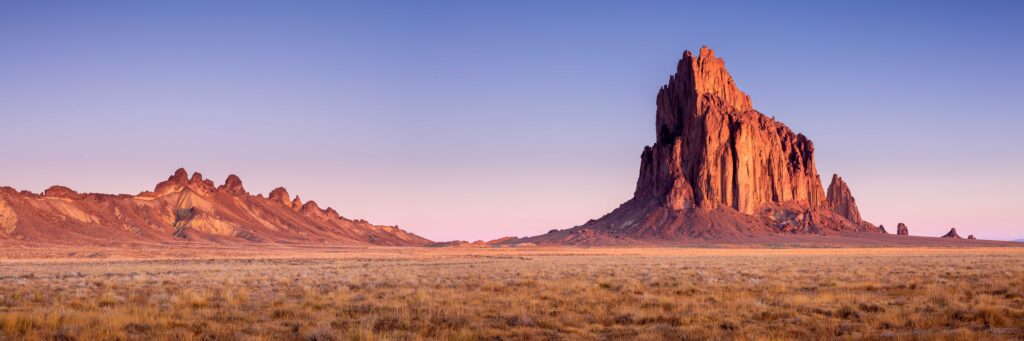
New Study Offers a Glimpse Into 230,000 Years of Climate and Landscape Shifts in the Southwest
Atmospheric dust plays an important role in the way Earth absorbs and reflects sunlight, impacting the global climate, cloud formation, and precipitation. Much of this dust comes from the continuous reshaping of Earth’s surface through the erosion of rocks and sediments, and understanding how this process has shaped landscapes can help us decipher our planet’s history – and its future. Although an ephemeral phenomenon by nature, dust emissions through time can be depicted through natural archives like lake sediment cores. In a new study, scientists examine one such record to peer 230,000 years into the past of the American Southwest.