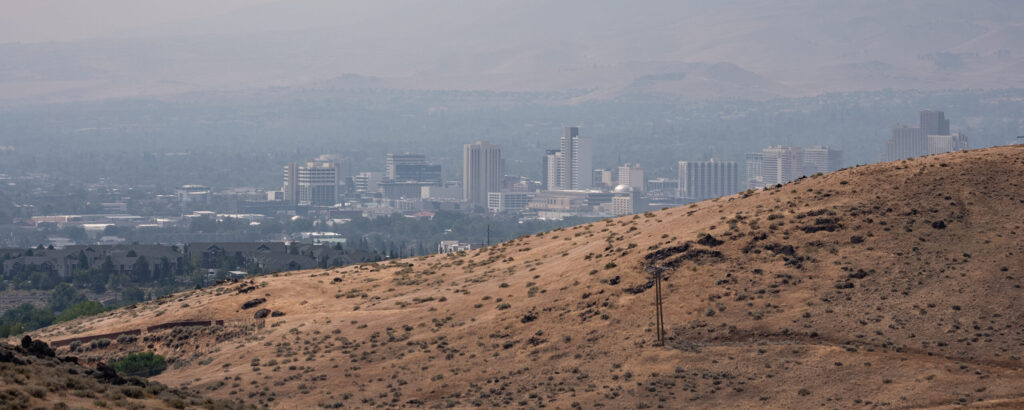
View of mountainous and grassland landscape.

New Study Offers a Glimpse Into 230,000 Years of Climate and Landscape Shifts in the Southwest

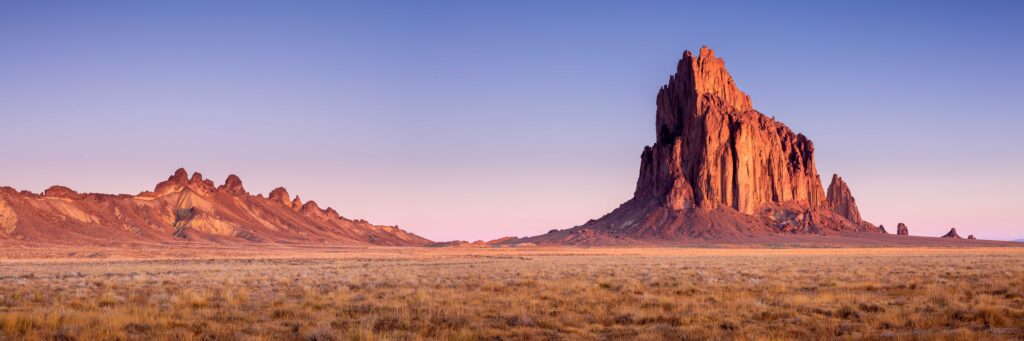
Atmospheric dust plays an important role in the way Earth absorbs and reflects sunlight, impacting the global climate, cloud formation, and precipitation. Much of this dust comes from the continuous reshaping of Earth’s surface through the erosion of rocks and sediments, and understanding how this process has shaped landscapes can help us decipher our planet’s history – and its future. Although an ephemeral phenomenon by nature, dust emissions through time can be depicted through natural archives like lake sediment cores. In a new study, scientists examine one such record to peer 230,000 years into the past of the American Southwest.

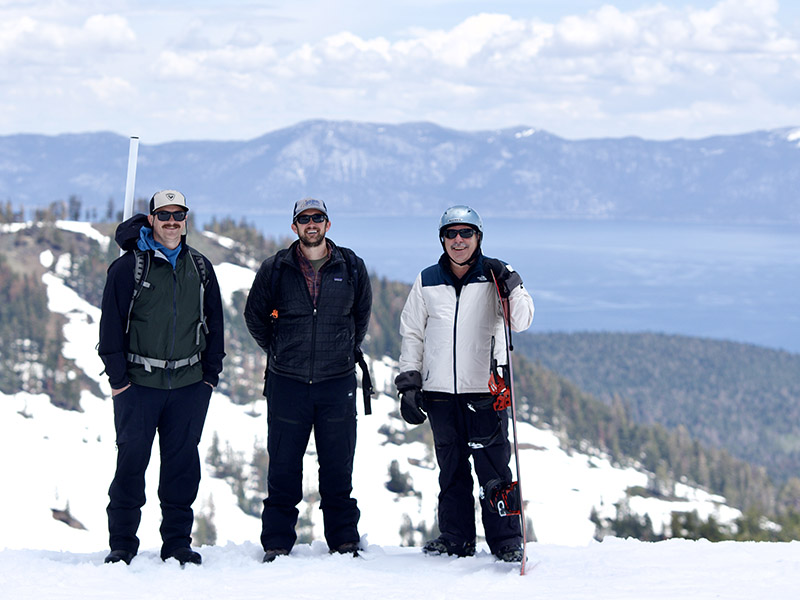
Three men in winter gear and snow board on a peak overlooking the water of Lake Tahoe.

Cloud Seeding for Local Precipitation Enhancement: An Interview With Atmospheric Scientist Frank McDonough

Frank McDonough is a research and forecast meteorologist who leads DRI’s cloud seeding program. His research interests span cloud physics, aviation icing forecasting, and precipitation enhancement.

In this interview, Dr. McDonough answers frequently asked questions about how cloud seeding works and what makes DRI’s program unique. This is the second in a new series of FAQ videos with DRI researchers.

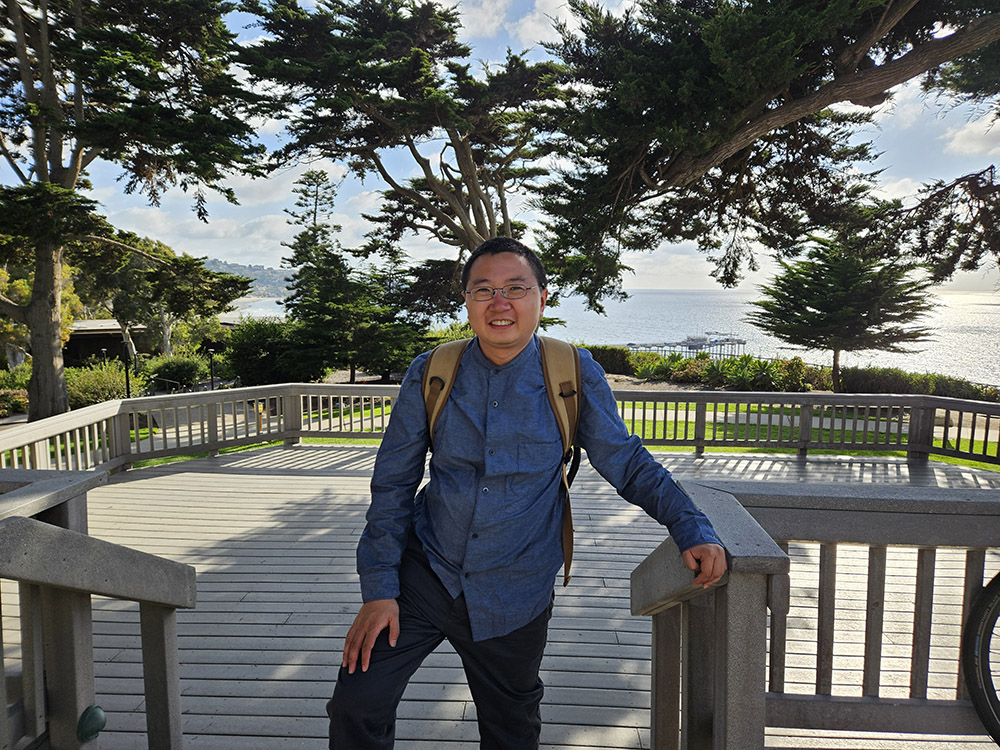
Prakash Gautam in the lab working with equipment and wearing protective eye covering.

Meet Prakash Gautam 

Prakash Gautam, Ph.D., is an Assistant Research Professor in the Division of Atmospheric Sciences and the Director of DRI’s Optics Lab: “Gautam Laboratory for Advanced Aerosol Dynamics and Light Scattering Research.” He has been with DRI since August 1, 2022, when he first joined as a Postdoctoral Researcher. Gautam also serves as Graduate Faculty in the Physics and Atmospheric Sciences departments at the University of Nevada, Reno (UNR), where he contributes graduate teaching, mentorship, and research collaboration. His work seeks to understand how atmospheric particles interact with light in order to better understand atmospheric components. 

In the following interview, Gautam shares his dual passions for physics and tennis and offers insight on creating a successful career in science.

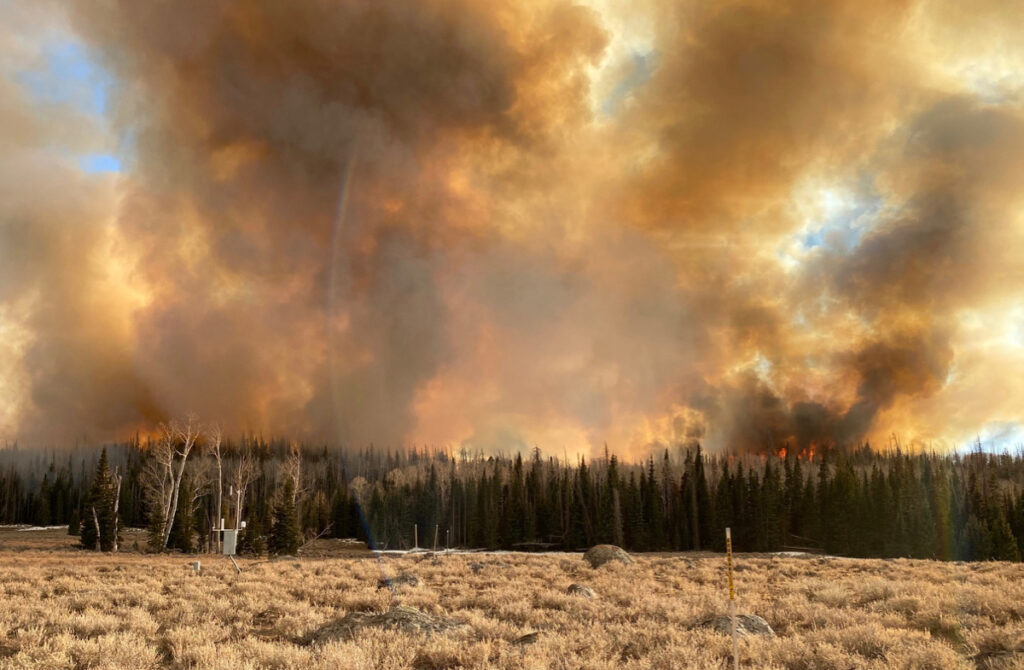
smoke coming from a burning forest

Preparing Communities for the Future of Wildfire 

Last year saw DRI’s inaugural global initiative aimed at advancing community resilience and adaptability in the face of rapid global change – AWE+, for an Adaptable World Environment. The event brought together hundreds of scientific experts, policymakers, resource managers, and other stakeholders to discuss ways to strengthen our communities against the growing threat of wildfires. To maintain momentum on the topic and continue building relationships that advance resilience, DRI’s 2025 AWE+ event sought to build on these conversations, again focusing on wildfire and bringing experts together from across the nation.

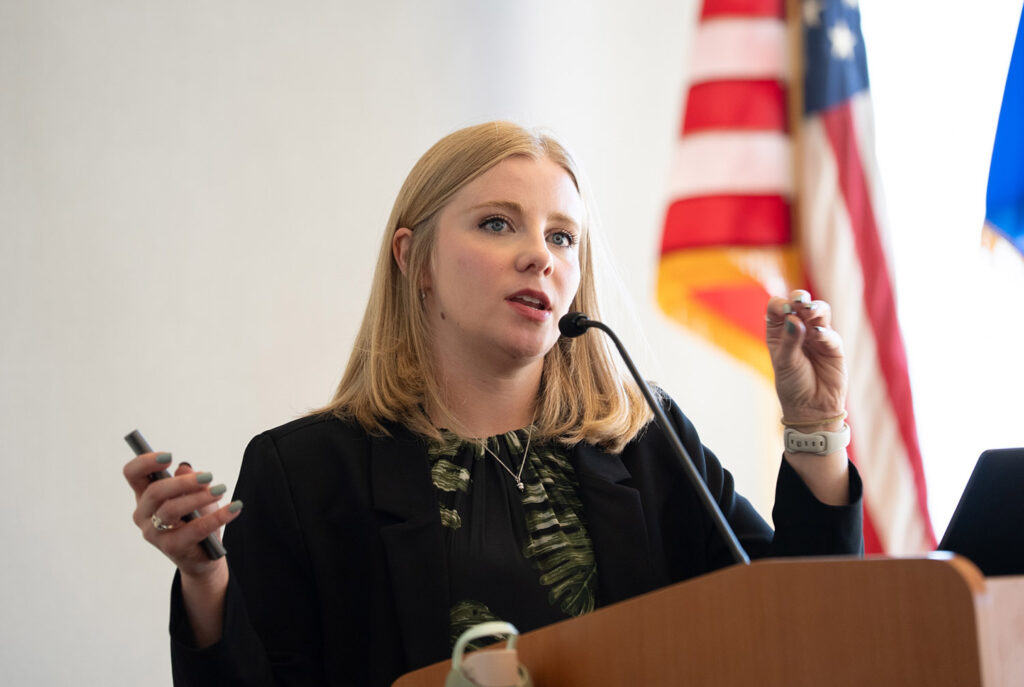
Ashley presenting at a podium with a microphone and American flag in the background.

DRI Recognizes Ashley Cornish as the 2025 Peter B. Wagner Memorial Award Winner for Women in Atmospheric Sciences

DRI is pleased to announce that the 27th annual Peter B. Wagner Memorial Award for Women in Atmospheric Sciences has been awarded to Ashley Cornish of the University of Georgia. The Peter B. Wagner Memorial Award for Women in Atmospheric Sciences is an annual competition recognizing the published works of women pursuing a master’s or Ph.D. in the atmospheric sciences or any related program at a university in the United States. The award is presented to women graduate students with outstanding academic publications and includes a $1,500 prize. This award has been presented annually by DRI since 1998 and is the only such honor designated for graduate women in the atmospheric sciences in the United States.

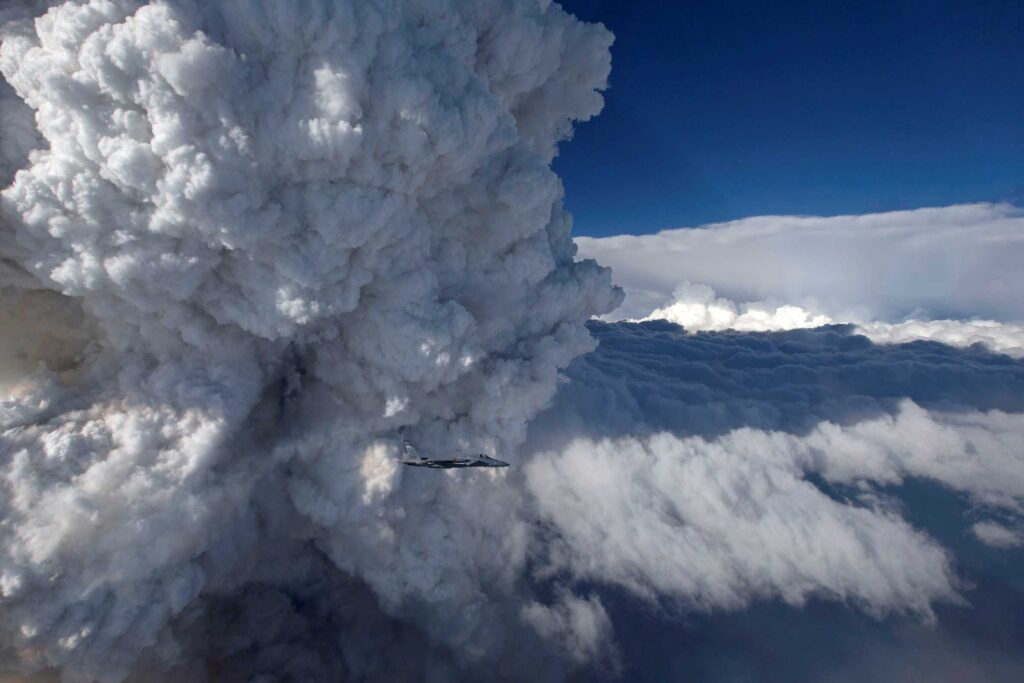
Plane in front of very large clouds.

Scientists Successfully Recreate Wildfire-Induced Thunderstorms in Earth System Models for the First Time

The breakthrough enhances scientific understanding of the dangerous storms and their long-term impacts on the climate. The research, published September 25th in Geophysical Research Letters, represents the first successful simulation of these wildfire-induced storms, known as pyrocumulonimbus clouds, within an Earth system model. Led by DRI scientist Ziming Ke, the study successfully reproduced the observed timing, height, and strength of the Creek Fire’s thunderhead – one of the largest known pyrocumulonimbus clouds seen in the U.S., according to NASA.

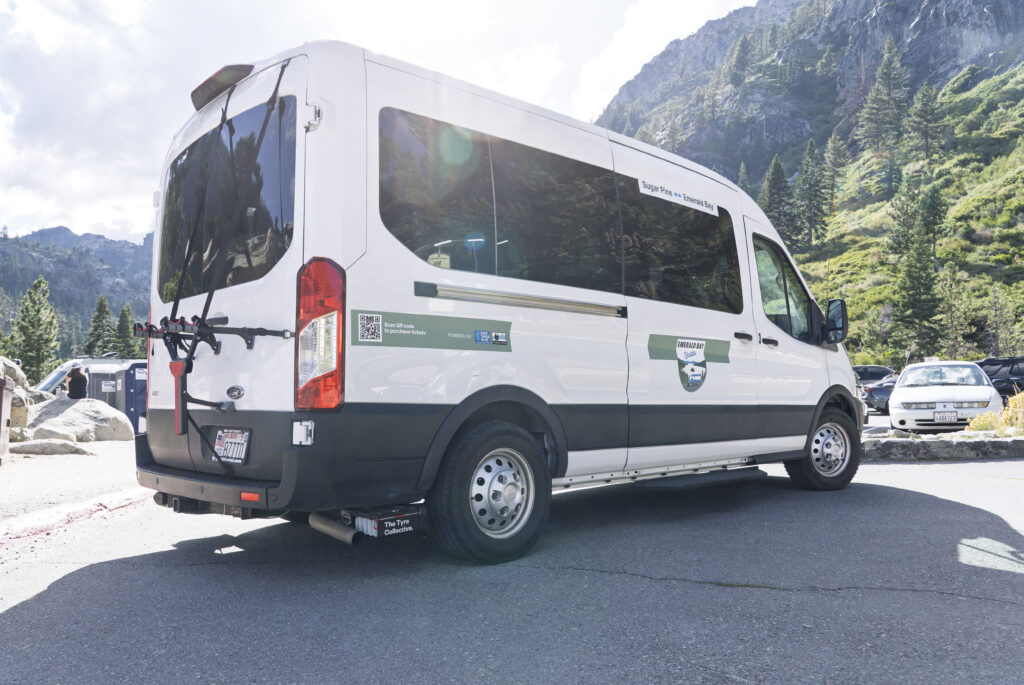
A van parked in a mountain landscape.

Keep Tahoe Blue, The Tyre Collective, and DRI launch innovative pilot program to protect Lake Tahoe’s air and water 

Today, Keep Tahoe Blue, The Tyre Collective, and Desert Research Institute (DRI) announced a groundbreaking collaboration with the Emerald Bay Shuttle and its operator, Downtowner, that brings together science, technology, and alternative transportation to protect Lake Tahoe’s world-renowned water clarity.  The pilot program employs The Tyre Collective’s proprietary technology — discrete, compact devices affixed to a vehicle’s undercarriage — to capture harmful tire wear particles directly at the wheel.  

Two researchers in orange winter gear stand next to their tent on the side of a snowcapped mountain.

Scientists Find the First Ice Core From the European Alps That Dates Back to the Last Ice Age

The new study, published in the June issue of PNAS Nexus, examines a 40-meter long ice core from Mont Blanc’s Dôme du Goûter. Using radiocarbon dating techniques, the research team found that the glacier provides an intact record of aerosols and climate dating back at least 12,000 years. Aerosols are small droplets and particles in the air such as desert dust, sea salts, sulfur from volcanic eruptions, soot from forest fires, as well as pollutants and other emissions from human activities.

View of side walk in front of Bellagio in Las Vegas with trees lining the right side.

A New, Detailed Analysis of the Benefits and Trade-offs of Urban Street Trees in Las Vegas

Earth is hotter than it has been in 125,000 years, scientists say, and Las Vegas continues to break temperature records. Planting and preserving the city’s street trees is one method that brings many benefits, from the cool air of their shade to their ability to store carbon. Now, a new study takes a deeper look at just how much trees can offer Sin City, as well as the water tradeoffs inherent in growing trees in a desert.